
Sterbai Corydoras (Corydoras sterbai) Bred in SA
R90,00
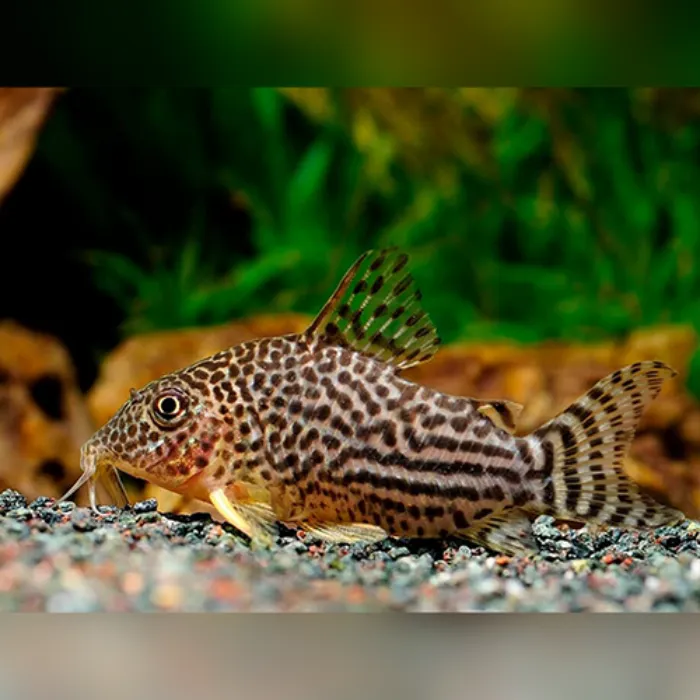
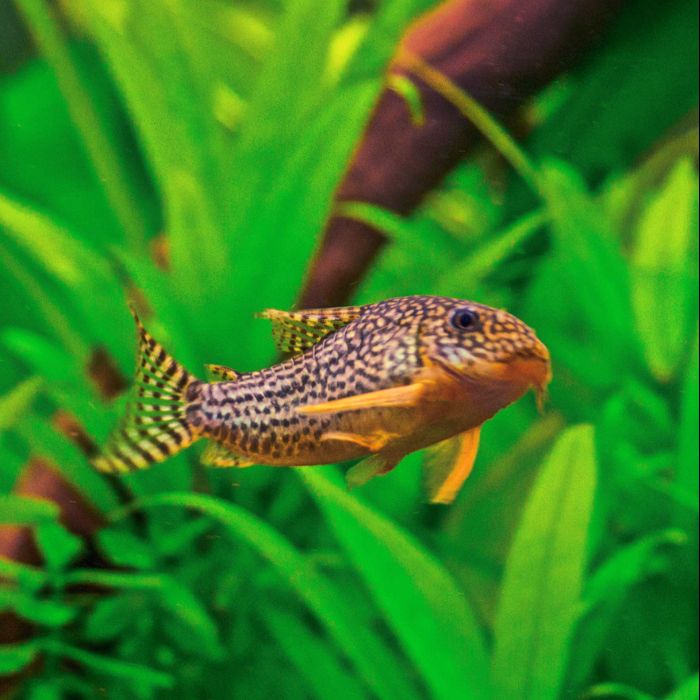
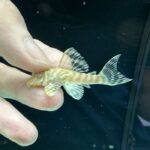
The Sterbai Corydoras is a highly sought-after bottom-dwelling catfish, recognised by its dark body with small white spots concentrated on the head, transitioning into broken horizontal lines or reticulated patterning along the body, along with its distinctive orange pectoral fins. It is one of the few Corydoras species well-suited to warmer tropical aquariums.
Out of stock
Sterbai Corydoras (Corydoras sterbai)
The Sterbai Corydoras is a highly sought-after bottom-dwelling catfish, recognised by its dark body with small white spots concentrated on the head, transitioning into broken horizontal lines or reticulated patterning along the body, along with its distinctive orange pectoral fins. It is one of the few Corydoras species well-suited to warmer tropical aquariums.
Facts
Scientific Name: Corydoras sterbai
Common Name: Sterbai Cory
Size: 5–6 cm
Lifespan: 5–10 years
Origin: Brazil (Guaporé River Basin)
Difficulty: Easy
Tank Requirements
Minimum Tank Size: 60 litres
Temperature: 24–28 °C
pH: 6.0–7.5
GH: 2–10 dGH
KH: 0–5 dKH
Substrate: Fine sand recommended
Setup: Driftwood, plants, shaded areas
Flow: Gentle to moderate, well-oxygenated
Behaviour and Tank Mates
Peaceful and social; keep in groups of at least 6
Active bottom-dwellers that forage constantly
Compatible with peaceful community fish such as tetras, rasboras, gouramis, and dwarf cichlids
Avoid large or aggressive tank mates
Diet
Omnivorous bottom feeder
Requires dedicated feeding (not just leftovers)
Eats sinking pellets, wafers, frozen foods (bloodworms, brine shrimp), and live foods
Breeding
Egg-layer with typical Corydoras “T-position” spawning
Often triggered by cooler water changes
Eggs are laid on glass, plants, or décor
Adults may eat eggs; separate for best results
Care Tips
Use soft substrate to protect barbels
Maintain clean, stable water with low nitrates
Provide hiding spots and shaded areas
Keep in proper groups to reduce stress
Why You Want Them
Sterbai Corydoras are a standout choice for warmer community aquariums, offering unique patterning, peaceful behaviour, and constant activity. Their schooling behaviour and hardy nature make them ideal for both beginner and experienced aquarists.
Related Products
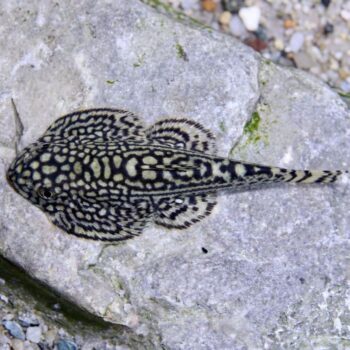
The Sewellia lineolata is a stunning freshwater hillstream loach native to fast-flowing streams in Southeast Asia. Known for its flattened, streamlined body and suction-cup fins, it clings effortlessly to rocks and hard surfaces, making it a fascinating addition to high-flow aquariums. Its intricate striped patterning adds visual interest to aquascapes while performing a functional role as a natural algae grazer.
6 in stock
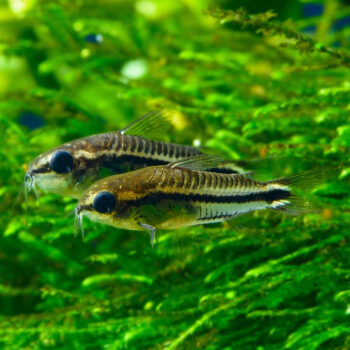
The Pygmy Corydoras is a diminutive and charming species of freshwater catfish, loved for its active schooling behavior and peaceful temperament. Native to the slow-moving rivers and streams of the Madeira River basin in Brazil, this species is ideal for nano and community aquariums. Unlike other Corydoras species that stick to the substrate, the Pygmy Corydoras spends much of its time swimming in the mid-water column, making it a fascinating addition to any setup.
All livestock has undergone a mandatory quarantine period of at least 2 weeks.
Livestock Policy
We are committed to providing healthy and thriving livestock to our customers. Here are some important details to keep in mind:
- We do not accept returns on any livestock (plants, aquatic animals, etc.) please see DOA Policy.
- We primarily sell juvenile livestock but may substitute adult specimens if available.
- We do not guarantee specific sexes for our livestock and may send a mix of males and females if available.
22 in stock
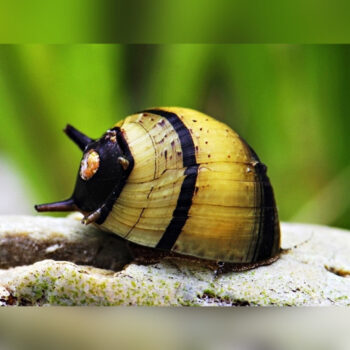
The Horn Snail, also known as the Spiked Nerite Snail or Clithon corona, is a small and uniquely shaped freshwater snail prized for its decorative shell adorned with horn-like projections. Native to Southeast Asia, this peaceful species is an excellent addition to aquariums, known for its algae-eating abilities and compatibility with a wide variety of tank mates. Its colorful shell variations and functionality make it both practical and visually appealing.
All livestock has undergone a mandatory quarantine period of at least 2 weeks.
Livestock Policy
We are committed to providing healthy and thriving livestock to our customers. Here are some important details to keep in mind:
- We do not accept returns on any livestock (plants, aquatic animals, etc.) please see DOA Policy.
- We primarily sell juvenile livestock but may substitute adult specimens if available.
- We do not guarantee specific sexes for our livestock and may send a mix of males and females if available.
27 in stock
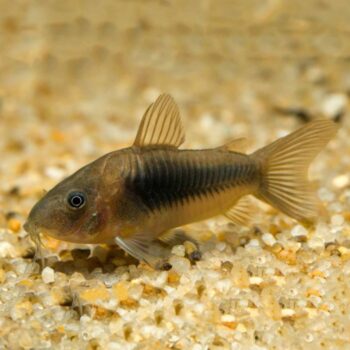
The Bronze Corydoras is one of the most popular and widely kept freshwater catfish in the aquarium hobby. Known for its shimmering bronze coloration and peaceful nature, this hardy species is native to South America, where it inhabits slow-moving rivers, floodplains, and streams. Its social behavior and ability to thrive in a variety of water conditions make it an excellent choice for both beginner and experienced aquarists.
All livestock has undergone a mandatory quarantine period of at least 2 weeks.
Livestock Policy
We are committed to providing healthy and thriving livestock to our customers. Here are some important details to keep in mind:
- We do not accept returns on any livestock (plants, aquatic animals, etc.) please see DOA Policy.
- We primarily sell juvenile livestock but may substitute adult specimens if available.
- We do not guarantee specific sexes for our livestock and may send a mix of males and females if available.
5 in stock
Reviews
There are no reviews yet.